


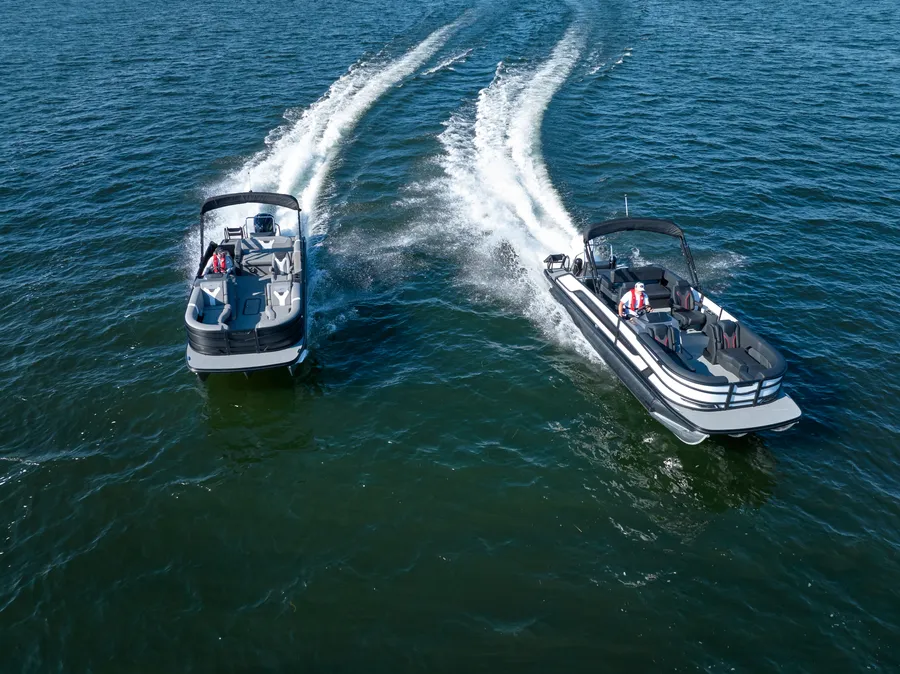
Dropping the throttle of your boat in Fort Myers and feeling the refreshing breeze pull across the expansive waters of Southwest Florida is the definition of the good life. Whether you are running the family through the lively, sun-drenched channels of the Caloosahatchee River, dropping anchor at the popular shallow sandbars around Sanibel and Captiva Islands, or plotting a scenic cruise through the calm backwaters of Estero Bay, high-volume holiday weekends turn our regional passes into high-pressure environments. When the waterways become crowded, a single lapse in etiquette or an unexpected mechanical failure can quickly ruin a great trip.
Thorough preparation and a clear understanding of on-water courtesy are your best tools to ensure your crew and vessel remain safe when the local waterways are at their absolute busiest.
1. Execute Tactical Timing
If you pull up to a popular public boat ramp in Lee County at 10:00 AM on a beautiful Saturday morning, you have already put your patience to the test. Congestion at regional launch points reaches its absolute peak during the mid-morning rush.
- Beat the Crowds: To bypass the friction completely, aim to have your hull in the water before 8:00 AM, or plan a delayed launch in the early afternoon after the initial wave of traffic has cleared out.
- Stay Calm: Giving yourself a wide time buffer prevents you from rushing into a crowded channel while frustrated, ensuring you make safe navigation decisions right from the start.
2. Standardize Your Ramp Operations
The public boat launch is a place to test your preparation, not a staging zone to pack your coolers or secure your fenders.
- Load in the Staging Area: Keep your vehicle and trailer in the designated parking lot staging slips until all gear, electronics, life jackets, and safety provisions are completely loaded onto the deck.
- Launch Efficiently: Once you back down the incline, launch quickly, immediately move your vessel to the far side of the courtesy dock to keep the lane clear, and park your tow vehicle without delay. Professional ramp etiquette keeps the entire pipeline moving smoothly for everyone.
3. Yield to the Fishing and Paddling Community
The back bays near Matlacha Pass and the mangrove margins of the local keys are shared ecosystems frequently occupied by flats anglers, kayakers, and paddleboarders.
- Assume They Are Fishing: When you spot a vessel anchored or idling along a shallow shoreline, always assume they are actively tracking game fish.
- Minimize Wake Impact: Approaching at high speed and throwing a massive roller wake ruins their experience and can create dangerous instability for small paddlecraft. If you cannot safely give them a wide berth, drop your hull fully off plane to a slow, no-wake speed until you are safely past.
4. Rely on High-Accuracy Navigational Data
Our local Southwest Florida passes feature dynamic, shifting sandbars and variable depths that demand your undivided attention, especially when weekend traffic restricts your maneuvering room.
- Track Shifting Channels: Never assume you know a pass well enough to navigate it blindly. Heavy weekend wake action changes shallow margins rapidly.
- Keep Displays Active: Keep a current navigation chart or marine GPS active on your multi-function display at all times. Familiarize yourself with the exact positions of local markers and hidden shoals so you can make confident, calculated course corrections in tight quarters.
5. Prioritize Total Mechanical Reliability
A busy weekend in a high-traffic channel like Misery Point or the Sanibel Causeway span is the absolute worst place to experience an unexpected engine failure. A boat drifting helplessly without power becomes an immediate hazard to every surrounding vessel.
- Perform Pre-Trip Checks: Before you head out, verify that your starting batteries are holding a full charge, your fuel filters are clear, and your automatic bilge pumps are fully functional.
- Address Gremlins Early: Never ignore a subtle engine sputter or low-voltage warning on the trailer—taking care of small mechanical issues early ensures your boat remains completely reliable when you need it most.
Frequently Asked Questions
What is the legal speed restriction for operating a watercraft after dark in Florida waters? Unlike jurisdictions with blanket numeric nighttime speed caps, Florida maritime law mandates that all vessels maintain a "safe speed" at night based on prevailing visibility, weather, and traffic conditions. However, operators must strictly adhere to localized, posted "Slow Speed, Minimum Wake" restrictions, which legally require the hull to ride fully off plane and completely settled in the water column with a minimal wake profile.
Why is running the engine bilge blower mandatory before launching or starting an inboard vessel? Gasoline fuel vapors are heavier than atmospheric air and naturally accumulate in the lowest quadrants of a sealed engine bay or bilge compartment. Safety regulations dictate that power-operated exhaust blowers must be activated for a minimum of four continuous minutes prior to starting an inboard or sterndrive engine. This process evacuates any trapped combustible vapors, preventing a catastrophic static-spark explosion inside the hull machinery space.
Sourcing Authorized Marine Assets & Technical Upkeep
Safeguarding your vessel through variable seasonal conditions requires outfitting your platform with components and mechanical structures calibrated to exact manufacturer tolerances.
- Premium Showrooms & Selection: To evaluate rough-water hull geometries, test luxury pontoon layouts, or compare the tracking profiles of elite regional brands, explore our complete regional inventories of premium New Boats.
- Advanced Transom Repower Operations: If your existing power plant exhibits low-end throttle lag or lacks modern digital networks near the courtesy docks, outfitting your transom through our specialized Repower Yamaha hub installs advanced control systems for absolute handling precision.
- Certified Multi-Point Systems Maintenance: From testing low-voltage battery capacities under load to replacing raw-water pump impellers or diagnosing hydraulic steering binding, trust our factory-trained technicians at the Marina Mike's Service Center department for detailed cosmetic detailing and preventative mechanical checks. For do-it-yourself maintenance, our Parts Center supplies factory-direct filters, zinc anodes, and marine accessories.
Fleet Allocation and Financial Coordination
What structural consumer credit frameworks exist for premium vessel procurement? Our internal Financing office constructs customized consumer portfolios, allowing buyers to seamlessly bundle their high-performance hull selection, reliable outboards, technical navigation electronics, and comprehensive Marine Insurance protections into a single structured loan.
Can I leverage my current boat's equity to transition to a modern rough-water platform? Yes. We facilitate transparent, market-accurate asset evaluations to eliminate personal listing delays. To liquidate your old hull and apply its equity directly toward an upgrade, submit your vessel's technical specifications to our Sell / Trade department.
How do I track upcoming dealer events or connect with Marina Mike's? To learn about our 36-year legacy serving Southwest Florida mariners since 1990, visit our About Us page. You can monitor our active schedule of safe-boating seminars, captain safety workshops, and regional boat shows on our Events page, track continuous technical maintenance guides on our Blog section, see verified customer feedback on our Reviews directory, or connect directly with our specialized team members via our Staff index. To review extended service coverages, check our Extended Service Contracts checklist, and find current promotions on our Specials page. Experience these performance traits firsthand and evaluate various configurations across real-world water conditions by connecting directly through our main Contact Us portal.