


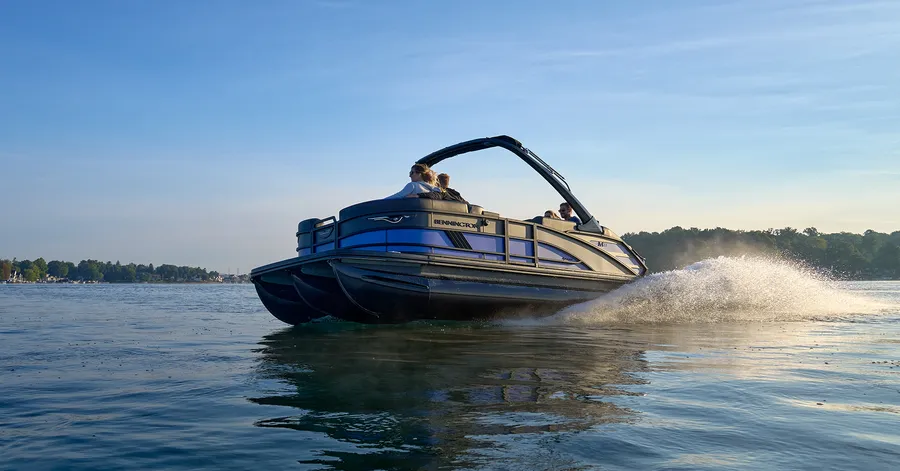
The evolution of multi-log performance pontoon configurations has drastically expanded their operational footprint, allowing these highly stable platforms to transition successfully from freshwater lakes into coastal environments.
For operators navigating the waters of Southwest Florida out of Fort Myers, utilizing a pontoon across the Caloosahatchee River, San Carlos Bay, and the protected stretches of Pine Island Sound offers an exceptional structural layout for family cruising and shallow-water beaching.
However, managing an aluminum vessel in a high-salinity maritime environment requires implementing specific defensive pilotage and strict chemical mitigation strategies. Adhering to specialized saltwater protocols ensures passenger safety and protects your vessel from rapid structural degradation.
1. Understand the Environmental Boundaries of the Hull
Modern performance pontoons equipped with oversized center logs, lifting strakes, and high-horsepower transoms handle coastal chop with exceptional stability, but they possess clear structural limitations compared to deep-V fiberglass hulls.
- Operational Limits: Pontoons are highly effective for tracking through coastal bays, sounds, and the Intracoastal Waterway (ICW). They are fundamentally not engineered for long-range offshore transit. A reliable rule of thumb for local captains is to maintain clear visual contact with the shoreline and avoid operating in open swells exceeding three to four feet.
- Hydrodynamic Realities: Traditional pontoons feature flat-bottom surfaces that ride directly on top of the water column rather than cutting through it like a V-hull. In heavy chop, this can create significant spray and forward drag. Utilizing proper trim adjustments helps lift the nose cones, minimizing hull friction and optimizing your running attitude through tidal currents.
2. Calculate Accelerated Fuel Consumption Rates
Navigating coastal saltwater routes introduces distinct atmospheric and physical variables that alter your vessel's baseline fuel economy.
- The Density Factor: Saltwater carries a higher density than freshwater, which alters the hydrodynamic resistance against your aluminum logs. Additionally, coastal winds, heavy tidal shifts, and strong currents force your outboard engine to work harder to maintain a consistent headway.
- Proactive Fuel Management: Because your propulsion system experiences increased load when pushing through high-current passes like Sanibel Thrift Pass or Captiva Pass, your fuel burn rate will escalate. Always implement the maritime rule of thirds: utilize one-third of your fuel supply to head out, one-third to return, and reserve the final third as a strict mechanical safety margin.
3. Implement Strict Anti-Corrosion and Maintenance Routines
Saltwater is a highly destructive electrolyte that accelerates galvanic corrosion and structural pitting on exposed metals, making aluminum pontoon components particularly vulnerable.
- Immediate Freshwater Decontamination: After every single saltwater run, execute a thorough freshwater washdown of the entire vessel. Pay close attention to the raw aluminum logs, structural crossmembers, deck fasteners, and sacrificial zinc anodes.
- Electrical Connection Audits: Salt air penetrates console wiring rapidly, causing green copper oxidation that interrupts critical voltage loops. Regularly spray exposed electrical junctions and battery terminals with premium marine-grade anti-corrosion block inhibitors.
- Mooring Protections: If you plan to leave your pontoon moored in saltwater slips rather than trailering it or utilizing a dry stack, you must apply specialized anti-fouling and anti-corrosive marine paints to the underwater sections of the logs and the outboard lower unit to prevent barnacle growth and electrolysis.
4. Optimize Propulsion Reliability for Coastal Passages
Maneuvering a high-profile, wind-susceptible vessel through tight channels and coastal inlets demands absolute mechanical responsiveness from your outboard engine.
- Cooling System Flushes: Saltwater left inside an engine block crystallizes into a thermal scale that insulates the cylinders and blocks internal passages. Perform a continuous 15-minute freshwater flush through your engine's cooling galleries immediately following shutdown.
- Professional Technical Diagnostics: Ensure your water pump impeller, cooling thermostats, and internal block anodes are checked regularly. Schedule a comprehensive diagnostic multi-point checkup with our factory-certified technicians at our Service department to eliminate any mechanical vulnerabilities.
- Transom Upgrades: If your current outboard lacks the electronic throttle responsiveness or low-end torque required to hold your position against a heavy incoming tide at the Matanzas Pass Bridge, upgrading through our authorized Yamaha Repower program can modernize your hull with advanced digital controls and superior fuel economy.
Frequently Asked Questions
What features should I look for if I want to upgrade to a saltwater-ready pontoon?
If your existing platform feels underpowered or lacks structural saltwater reinforcements like sacrificial anodes and stainless steel fasteners, explore our inventory of premium New Boats. Modern saltwater-specific builds feature heavy-duty thick-gauge aluminum, sealed lifting strakes, and durable vinyl flooring designed to withstand continuous exposure to the elements.
Can I trade in my current freshwater pontoon to purchase a coastal cruiser?
Yes. We facilitate streamlined, market-accurate asset appraisals through our Sell / Trade division, making it highly efficient to liquidate your current watercraft and apply that equity directly toward a modernized platform.
Where can I learn more about the team and finance options at Marina Mike's?
Our internal Financing department builds customized credit configurations, allowing you to bundle your vessel, choice of outboard power, and localized Marine Insurance into a single plan.